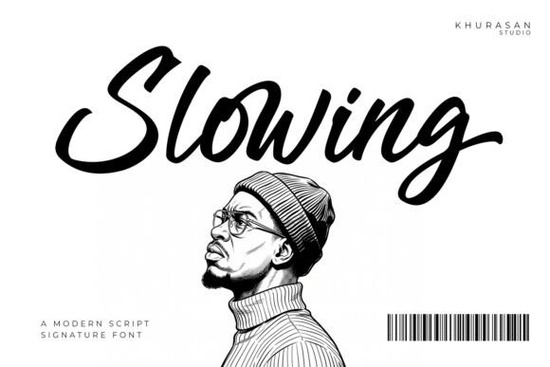
If you're looking for a script font that feels genuinely handwritten not stiff, not overly polished, but warm and expressive Slowing Font is worth your attention. It’s a brush-style script designed to mimic the subtle variations of real pen-on-paper lettering: slight pressure shifts, natural flow between letters, and soft, organic edges. Unlike many digital scripts that rely on uniform loops or rigid spacing, Slowing breathes. That makes it especially useful if you’re designing for audiences who respond to authenticity think wedding invites, small-batch product labels, Instagram quote graphics, or boutique branding.
What makes Slowing different from other script fonts?
Most script fonts fall into two camps: ultra-clean calligraphy (think sharp serifs and tight connections) or playful, bouncy handwriting (often with exaggerated swashes). Slowing sits comfortably in the middle. Its strokes have gentle tapering, light texture, and just enough irregularity to feel human not AI-generated or traced. You’ll notice how letters connect smoothly without forcing awkward ligatures, and how lowercase “g”, “y”, and “f” carry soft, rounded descenders that add rhythm without clutter.
This isn’t a font built for dense body text it shines where personality matters most. A logo using Slowing reads as thoughtful, not trendy. A social media post with a short quote feels intimate, not staged. And because it includes both uppercase and lowercase letters plus standard punctuation (no extra glyphs or alternates needed), it’s straightforward to use in Canva, Adobe Illustrator, or even Cricut Design Space.
Where does Slowing work best?
It’s versatile but not universal. Here’s where it consistently delivers:
- Branding for small businesses especially lifestyle, wellness, or handmade goods brands that want approachable elegance
- Wedding stationery, including save-the-dates, menus, and thank-you cards (pair it with a clean sans-serif for balance)
- Product packaging for candles, teas, soaps, or artisanal foods where warmth and craft matter more than flash
- Social media visuals, especially Instagram carousels or Pinterest pins with inspirational quotes or tips
- Print-on-demand designs on mugs, tote bags, or notebooks its brush texture holds up well at medium sizes
It’s less ideal for long paragraphs, technical documents, or high-contrast signage where legibility trumps style. If you need something more structured but still hand-drawn, consider The Bileso Font, which offers tighter spacing and crisper terminals. For a sweeter, more delicate vibe, Candy Diary works well on greeting cards or baby shower invites.
How to pair Slowing with other fonts
Good pairing starts with contrast not competition. Since Slowing has moderate weight and soft edges, it pairs best with typefaces that offer structure and neutrality. Try it with:
- A light or regular-weight sans-serif like Inter, Lato, or Montserrat for clean, modern balance
- A low-contrast serif like Merriweather or Cormorant Garamond for editorial warmth
- Another script but only one with very different energy, like Raisin Cookie, which leans whimsical and bouncy rather than fluid and grounded
Avoid stacking it with heavy display fonts or other brush scripts unless you’re intentionally going for layered texture and even then, limit it to one headline line. Overuse dilutes its impact.
Realistic expectations for script fonts like Slowing
Script fonts aren’t plug-and-play for every project. Slowing includes standard OpenType features (like basic ligatures and contextual alternates), but it doesn’t auto-switch characters based on position so you may need to manually adjust a few tricky letter combinations in design software. Also, while it renders well on screen, always test print samples if you’re using it for physical products. Brush textures can look softer on paper than on retina displays.
If you prefer more automation and variation out of the box, Stowy Font adds stylistic sets and swash options, while Alex Brush offers smoother interpolation across sizes. But for simplicity and sincerity, Slowing stands out precisely because it doesn’t overcomplicate things.
For reference, you can see how Slowing Font is used by fellow designers on Creative Fabrica especially in mockups for wedding suites and digital planners.
Before downloading or licensing Slowing Font, ask yourself:
- Does my project benefit from a relaxed, expressive tone or does it need precision or authority?
- Will this be used mostly digitally or in print? (Test both if possible.)
- Do I already have a complementary font for body text or captions?
- Is the license clear about commercial use including POD platforms like Redbubble or Etsy?
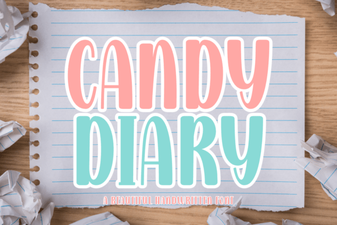 Candy Diary Font: Playful & Versatile Design Tool
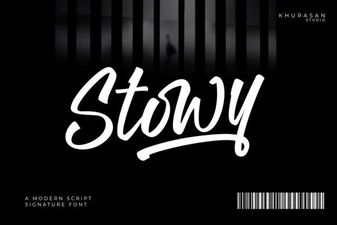 Stowy Font: Creative & Versatile Design Tool
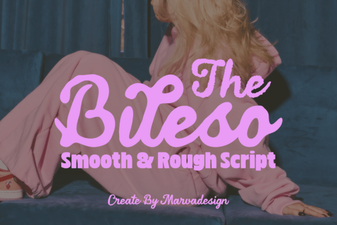 The Bileso Font: Creative Design & Practical Use
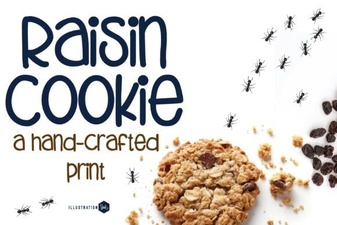 Raisin Cookie Family Font: Playful & Versatile Design
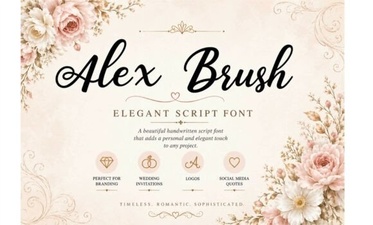 Alex Brush Font: Elegant Handwritten Design Ideas
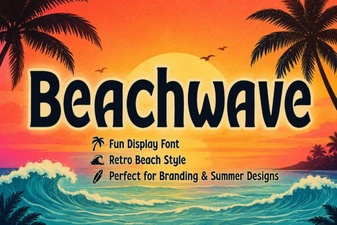 Beachwave Font: Creative Design & Project Ideas